Plant-based markets are expanding, posing economic challenges to traditional meat industries. Could economic interests and industry lobbying be driving anti-vegan narratives?
In October 2022, Just Stop Oil protesters had brought the Dartford Crossing to a standstill for over 36 hours, blocking one of Britain’s busiest motorways as part of a campaign against new fossil fuel licences. The demonstration had dominated the news cycle for days. When Home Secretary Suella Braverman stood up in the House of Commons to defend the government’s new Public Order Bill, she needed someone to blame. The culprits, she told MPs, were the “Guardian-reading, tofu-eating wokerati.” The chamber erupted in laughter. Within hours, the line was everywhere on the front pages and trending on social media. Labour’s Yvette Cooper called the remark “astonishing”. Food writers spent days debating what tofu had done to deserve it.
The following year, the Daily Mail published a headline claiming that being vegetarian does more harm to the environment than eating meat, based on a study that compared imported tofu to locally-sourced beef without disclosing the comparison was not like-for-like.
Martin Caraher, Professor of Food and Health Policy at City St George’s, University of London, has spent years tracking how this kind of coverage is generated. “The popular press will have headlines like protect our bacon sandwiches, these are ready-made stories that the industry provides to the press,” Caraher said.
The same pattern emerged when the government-commissioned National Food Strategy, led by Henry Dimbleby, recommended a 30 per cent cut in meat consumption in 2021. The Sun ran stories warning of a ‘meat tax’ on bacon, burgers and sausages. Boris Johnson publicly dismissed the proposals. Dimbleby himself later said, “You’ve got huge lobbies campaigning for consumption, and the public don’t like the idea of reducing meat and dairy.”
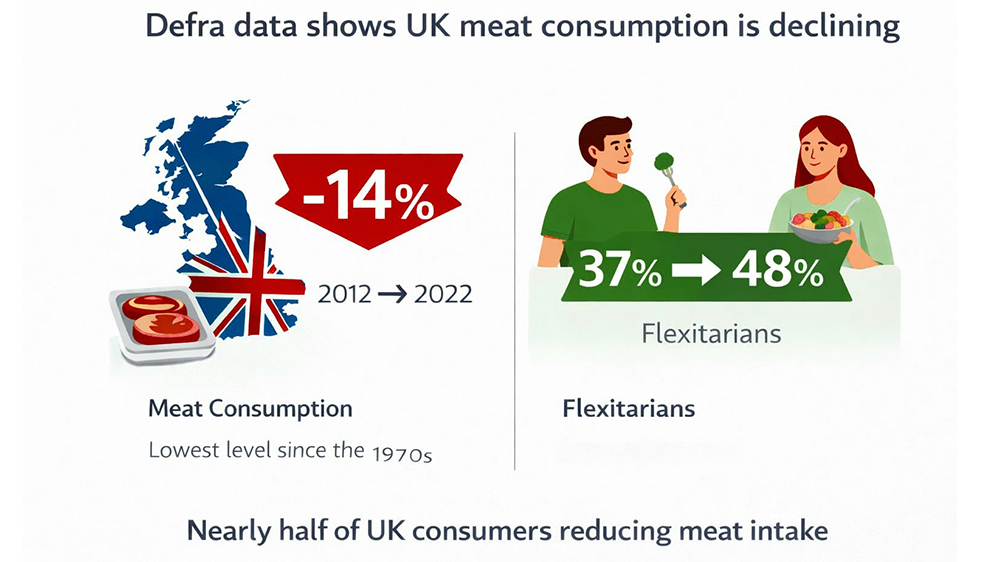
The data tells a different story. Government figures published by Defra show average meat consumption fell by 14 per cent between 2012 and 2022, its lowest level since records began in the 1970s. According to ProVeg International, 48 per cent of UK consumers were actively reducing their meat intake by 2023, up from 37 per cent two years earlier.
For Caraher, the jobs argument is one of the lobby’s most persistent arguments against dietary reform. “They engage in policymaking from the economic perspective, saying this is an important industry and if you cut down meat, so many jobs in the UK will be lost. That’s what they do,” he said.
Caraher said the industry’s reach extends into politics directly. “The industry is already knocking on the doors of the politicians. They bought them. They’ve given them influence. They will say, when you’re not a politician, you can sit on our boards, you’ll get paid for that. That’s what they do. The tax subsidies go towards meat, and very few go towards horticulture,” he said.
The lobbying does not stop at the domestic level. When the UN’s Food and Agriculture Organisation produced a report questioning the meat industry’s environmental impact, Caraher said that the pressure reached the very top. “The lobbies from the meat industry got that report pulled and rescinded. Even semi-state bodies become instruments of the same agenda. In Ireland, the state export board Bord Bia receives public funding to promote meat eating internationally.” In Wales, the contradiction reaches its logical conclusion. “The irony is in Wales they can’t afford Welsh lamb for school meals, they’re more likely to use New Zealand lamb because it’s cheaper,” he said.
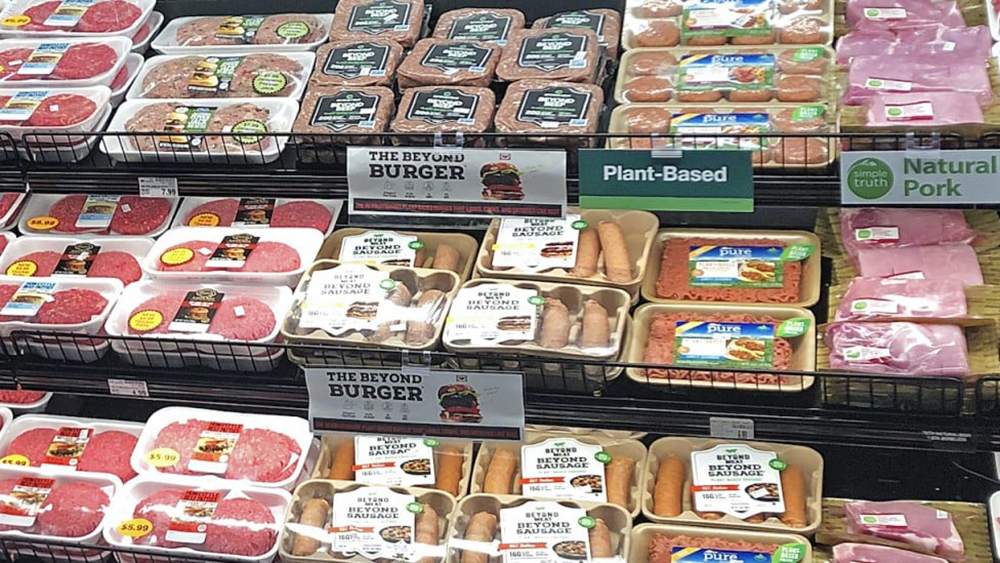
Caraher said there is a central irony at the heart of the backlash, as the same industry funding anti-vegan narratives is quietly buying into the alternatives. “The development of plant-based sources and lab-based meat, cultured meat, is actually being controlled by the meat industry. They own the companies, so they’re both in control of some of the alternatives and of the meat itself,” he said.
Phil Brooke, spokesperson for Compassion in World Farming and an animal welfare expert, named a concrete example. “Alpro, which I put in my coffee, is produced by Danone, and it’s owned by Danone. A lot of the players in that industry are covering their bets by also investing in vegan foods,” he said.
Brooke has spent years documenting what actually happens to farming jobs when welfare standards change. When battery hen units with hundreds of thousands of birds closed following reforms, farms had to sign twenty contracts with smaller free-range producers to replace them. “More jobs. Better pay. Just different farmers. The big farming unions tend to represent the big farmers more than the small ones, as some of the small ones will tell you,” he said.
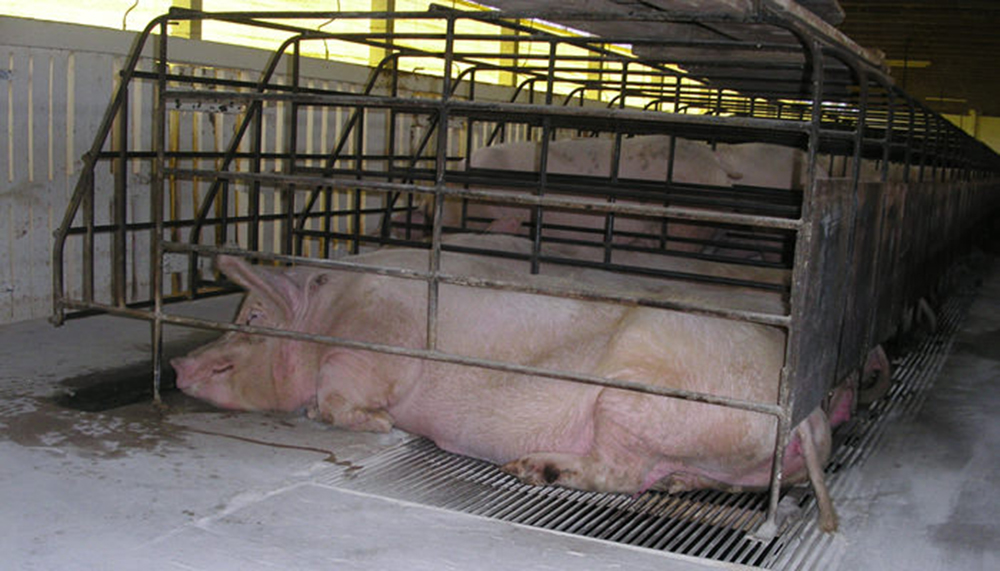
The pattern repeated when sow stalls were banned. The industry warned its sector would collapse. “We haven’t been forgiven by some parts of the pig industry because their industry halved at the time it was banned,” Brooke said. “Not actually because of the ban, there were all sorts of other problems in the pig industry at the time, and the value of the pound was too high for them to sell meat and stop imports. But they saw that as attacking British farmers for whom that’s the key thing,” Brooke said.
More than thirty years later, that framing persists. The NFU deputy president publicly branded Veganuary a ‘gimmick’ in statements to Sky News, warning it was “casting a very sustainable British industry to the wall.” Brooke said any challenge to meat consumption gets packaged as an assault on British rural life. “They say British is the issue. I’m not quite sure why it matters whether it’s British or not. What matters is how it’s produced and how the animals live.”
When the evidence becomes too strong to counter directly, Caraher argues that the strategy shifts to confusion. A 2023 report by Changing Markets Foundation, which analysed over 285 million social media posts related to meat and dairy across a fourteen-month period, found that 78 per cent of identified misinformation was designed to disparage plant-based alternatives. “Influencers on social media you don’t even know are being paid by the industry, they don’t even need to question the evidence. They just distract attention because people’s attention spans are very limited,” he said.
The goal, Caraher argues, is to shift veganism from a dietary question to a political identity. “If we can’t rubbish it, let’s make it unclear. If we can’t contradict it, make it unclear. Treat these people as cranks, who really are promoting a moral stance rather than a dietary one,” he said.
“Because the meat industry will always do. They will muddy the waters and will run down individual vegans or people offering dietary advice. They’ll try to make them less presentable with the message. I don’t think it is a woke issue, but I think it gets dragged into the woke database. And that’s very easy for the meat industry and its influencers to do. They drag it into that arena, and suddenly people are more confused,” Caraher said.
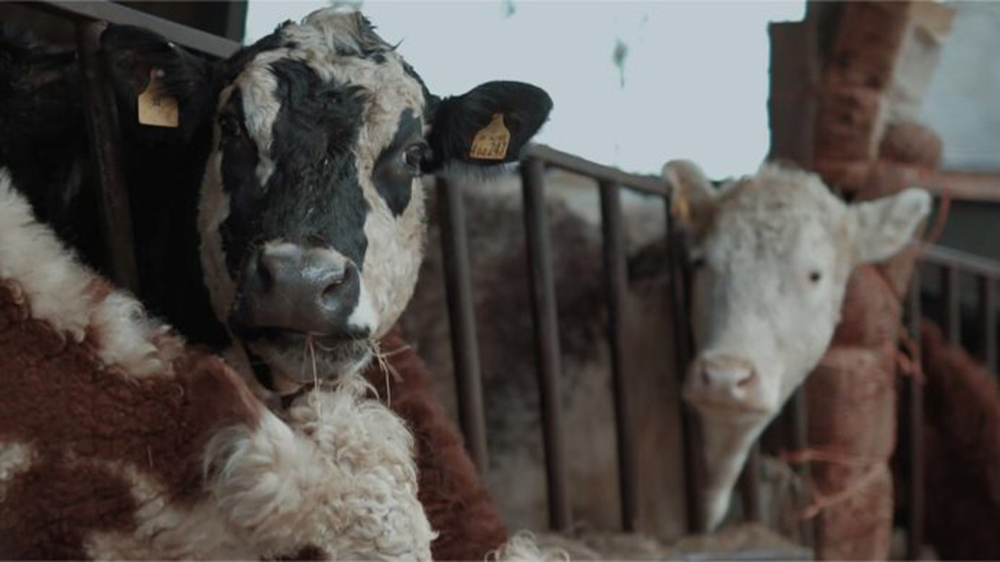
The gap between individual farmers and the institutions claiming to speak for them can be stark. When Alex Lockwood’s documentary ‘73 Cows’ followed farmer Jay Wilde’s decision to stop sending his herd to slaughter, Lockwood said fellow farmers were largely unbothered. “There was no hate mail, no organised backlash,” he said. The industry’s institutional response was different. “They’ve put a lot of money into a sort of negative marketing and lobbying,” Lockwood said.
Behind the British-sounding campaigns sit corporations that are anything but local. A 2023 ecosystem review by the Good Food Institute Europe found that a handful of multinationals dominate the global animal protein supply chain under regional brand names. Caraher says the farmers at the bottom rarely benefit. “At a global level, there are five or six major companies that control the meat industry. The irony is who really don’t benefit would be the beef farmers themselves because the prices don’t get paid. And it’s a bit like milk. People produce milk and have to sell it at less than the cost it costs them to produce it,” he said.
In 2022, the Dublin Declaration, a statement signed by hundreds of academics asserting that animal agriculture is nutritionally essential, circulated widely in the press. A Greenpeace UK investigation published by Unearthed found it was authored by scientists with strong ties to the livestock industry, and that it was being used by European agribusiness groups to lobby senior EU officials against reducing meat consumption. “It was the meat industry funding a load of academics to come together to say that meat is necessary in the diet,” Caraher said.
Journalist Chas Newkey-Burden has spent years following the money behind such studies. When a 2021 UCL study found that children on vegan diets had healthier cardiovascular profiles and less body fat than meat-eaters but were on average 3cm shorter with lower bone mineral content, the Daily Mail’s headline read, “Children on vegan diets are 1.2 inches shorter on average, with smaller and weaker bones.” The study’s own authors said they strongly support a global shift to plant-based diets. “Studies, bogus studies, it’s a huge, huge thing,” Newkey-Burden said. “It’s well covered up because they’ll go and find a research group and they’ll quietly pay them and all of that. These studies will say vegans are weak or whatever. Nobody clicks through to see who funded it.”
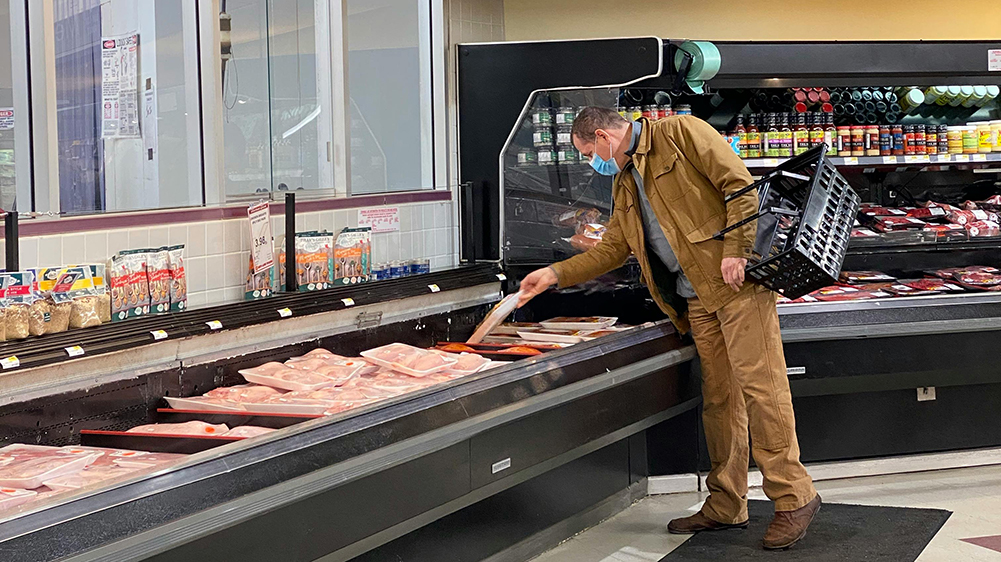
Newkey-Burden also highlights that the industry’s real concern is not vegans at all. “A big, big meat boss said vegans don’t worry him as much as flexitarians do because vegans never eat meat. But there aren’t very many of us. Flexitarians often don’t eat meat, and there’s a lot of them. The people who keep them up at night are not vegans. It’s the flexitarians. It’s the people who used to have meat seven nights a week and now have it four or five nights a week,” he said.
The UK data bears this out. According to GFI Europe, an overwhelming majority of plant-based buyers are flexitarians and omnivores. When plant-based sales fell in 2023, losing £38.4 million in value, industry analysts pointed not to vegans abandoning the category but to flexitarian shoppers increasingly switching back to meat.
In 2021, a parliamentary investigation found that Conservative MP Owen Paterson, a former Environment Secretary, had repeatedly broken the rules governing MPs’ conduct by lobbying on behalf of meat producer Lynn’s Country Foods, which was paying him a large sum annually. Paterson resigned rather than accept his suspension. The NFU expressed “extreme sadness” at his departure.
“The economic power of the meat industry is indisputable,” Caraher said. “They buy influence. That’s what they do.”
Yet it is veganism that becomes the culture war. It is vegans who get called extreme and woke, instead of the political lobbying.