Over 60% of Chinese youth now aspire to become influencers. Yet, beneath the glamour, algorithmic pressures and MCN assembly lines plunge many creators into profound ethical crises. What does this battle between traffic and authenticity reveal about China’s digital content industry?
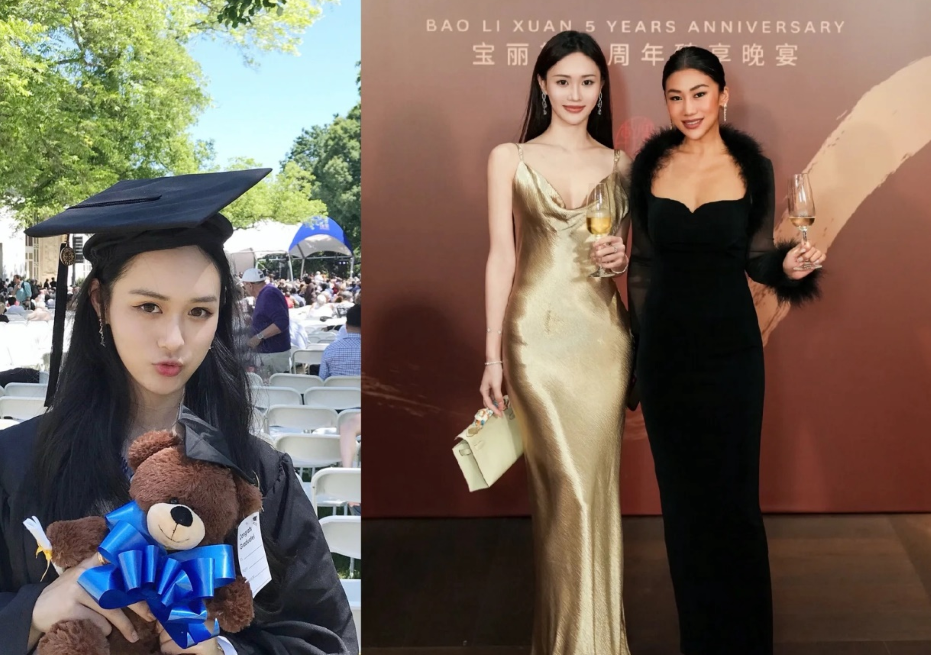
Deftly adjusting the lighting in front of the camera, Yingning habitually checks her outfit. As a fashion influencer boasting over 300,000 followers across social media platforms such as Weibo, Douyin, and Xiaohongshu, she possesses a background that sharply contrasts with industry stereotypes—she graduated from the world-renowned Princeton University with a degree in mathematics.
“Become whoever you want to be”. This slogan on Yingning’s Xiaohongshu account, simple yet powerful, encapsulates both her creative philosophy and her expectations for her followers. For this science graduate, however, crossing over from an Ivy League institution to the unpredictable and controversial track of a “self-media influencer” required far more than just a passion for fashion.
As highly educated individuals increasingly flock to this industry, widely perceived as offering “low barriers and high returns,” their true test is rarely how to capture attention, but rather how to maintain their sense of self amidst the deluge of capital and algorithms. Under the grip of algorithms and capital, is the influencer profession a shortcut to self-actualisation, or merely another digital cage that strips away authenticity?
In contemporary China, an increasing number of ordinary people are attempting to express themselves and achieve upward social mobility through self-media. Yet, the reality of the competition is brutal. After returning to China post-graduation, Yingning initially tried to open a Taobao store, but swiftly closed it within a few months after realising she was unsuited to the e-commerce model, pivoting instead to focus entirely on content creation for Weibo and Xiaohongshu. Initially, lacking an understanding of how to cater to platform traffic, her landscape and travel photos consistently yielded dismal engagement, leaving her creatively adrift.
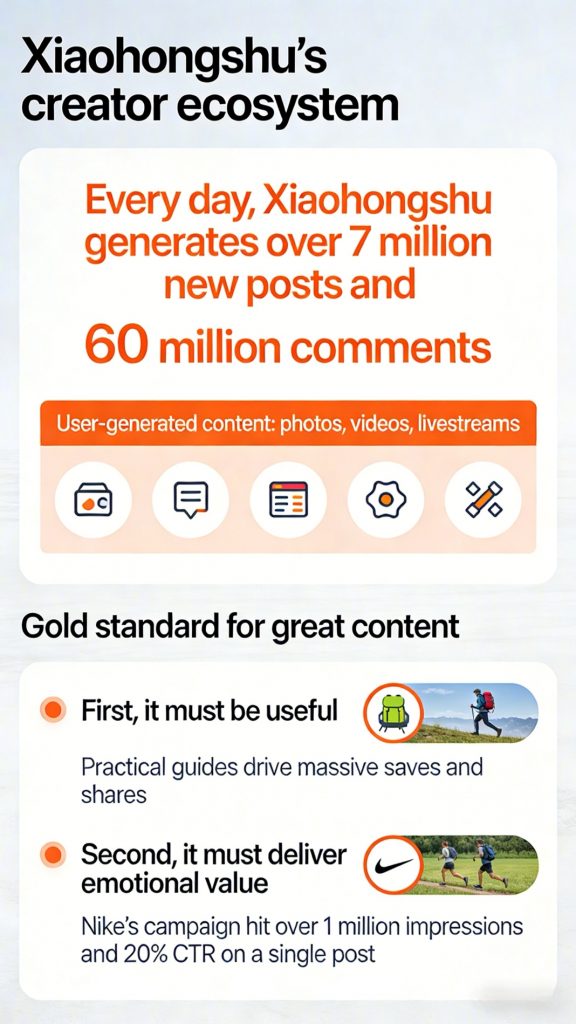
The turning point arrived in the latter half of 2020 when she signed with an MCN agency. According to an iiMedia Research report, the number of MCN agencies in China has surged to over 47,000 since 2020. Under the agency’s professional packaging, Yingning gradually learned systematic and regular content planning, leading to a steady increase in her metrics.
However, this was closely followed by a profound ethical and creative crisis. This highly commercialised agency operation model is frequently accompanied by the industry-wide malaise of pursuing traffic by any means necessary—a chaos recently exposed when top influencers like Wang Hongquanxing and Three Sheep Network were banned or fined for unethical marketing. To secure more commercial advertising, the company compelled her to publish a massive volume of beauty and skincare content.
Undeniably, this strategy brought her substantial traffic and lucrative commercial income, but for Yingning, this capital-manipulated creation betrayed her original intention for sharing. “I didn’t think this was what I wanted to do; when I posted too much of this kind of content, I felt very lost,” she admitted, experiencing a severe sense of being torn between commercial monetisation and authentic expression.
To reclaim her creative intent, just one year after signing, Yingning made a bold decision: risking the loss of agency resources, she decisively terminated her contract to return to independent operation.
Free from the agency’s assembly-line control, she began to re-evaluate her core value as a blogger. She realised that when her fans followed her, they were seeking more than just consumer guides.
“Besides liking my outfits and fashion advice, fans also desire to gain spiritual strength and a positive attitude towards life from me,” she explained.
Consequently, she started injecting more reflections on life philosophy and values into her content.
“I am always encouraging people to be themselves and pursue the life they want,” Yingning stated.
Over the past two years, the focus of her content has gradually shifted towards a deep exploration of personal growth and self-worth.
“I want to show everyone, through my own experiences and reflections, that they shouldn’t be bound by their current environment and background; you are entirely capable of becoming whoever you want to be,” she asserted firmly.
She hopes her audience can remain clear-headed, possessing the strength and freedom not to rely on others—whether within the family, the workplace, or in their emotional lives.
“Personal strength does not lie in surpassing others, but in gaining equal rights and respect,” she noted, defining female empowerment.
She firmly believes that everyone should have the right to pursue their dreams, unconstrained by gender and entrenched social roles.
“You can be a mother, or you can be a husband, but first and foremost you are yourself; before considering the demands of other roles, you need to fulfil yourself first,” Yingning argued.
She acutely pointed out that many people tend to lose themselves after entering marriage and parenthood, dedicating all their time and energy to their families, thereby neglecting the pursuit of self-worth.
Through her genuine sharing, she hopes to make more people realise that, regardless of the stage of life they are in, they must hold onto their dreams.
Beyond spiritual guidance, as a fashion blogger, her unique reflections on consumerism have also become a defining hallmark. She no longer blindly praises luxury goods or chases trends like many of her peers; instead, she emphasises the independence of personal style and rationality in consumption.
Fashion shouldn’t be about blindly following the herd, but about finding a style that truly suits you. “When I was young, I also blindly followed trends, chasing after those so-called ‘viral items’,” Yingning recalled with a laugh.
After realising that popularity does not equal beauty, she began selecting clothes based on her skin tone, body shape, and other characteristics, gradually developing a unique, minimalist personal style. Her perspective on consumption is deeply appreciated by her fans; she advocates for rational spending and simplifying life. In her view, ‘consumption downgrading’ is not merely about seeking cheapness, but that purchasing items that are genuinely needed and can be used long-term is the core.
“My consumption philosophy now is to either buy the best—like a bag that will truly last over a decade—or the most practical—like a canvas tote—rather than spending a fortune on something middling and expensive that won’t retain its value,” she stated.
She acknowledges that this perspective has sparked considerable debate on social media, but she doesn’t shy away from it. “Consumerism varies from person to person, and it’s impossible for everyone to agree with my views. I hope through sharing, everyone can find what suits them, rather than blindly following the crowd,” she added.
In an era of fast food content where short videos dominate, Yingning consistently insists on shooting long-form video Vlogs.
“The pace of short videos today is too fast, and many people no longer have the patience to watch a complete story,” she lamented.
Although the performance metrics of her long videos may not be as stellar as short ones, she still hopes to use this soothing, aesthetically pleasing content to help viewers settle down and appreciate the beauty of life.
In these videos, she shares insights on how to balance work and life, how to confront anxiety, and how to find inner peace in a bustling city.
As a full-time self-media professional, the boundaries between work and life often become blurred. “Sometimes I really feel like I can’t separate life and work; when I travel I think about shooting footage, and when I eat I think about recording,” she admitted.
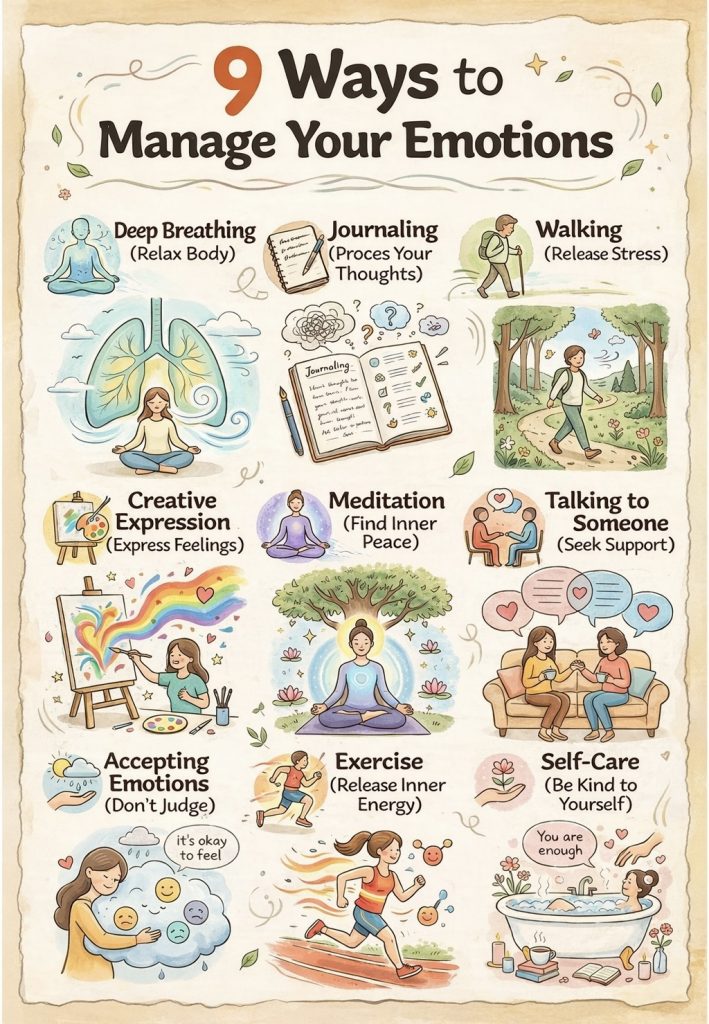
To regulate this, she strictly schedules completely work-free time to play tennis, participate in murder mystery games, and dedicate time to herself and her family.
Naturally, fame brings external pressure and negative comments. “I actually don’t really like reading comments that scold me, but I don’t avoid them either. I’ll have a friend read them to me in a funny way, I’ll rebut them line by line, and once I’ve vented, I’m fine.” She shared this amusing little strategy.
“It’s certainly uncomfortable being scolded, but I won’t be swayed by these negative voices; I respect everyone’s opinions, but I will also stand my ground,” Yingning stated resolutely. She consistently maintains that the core of creation is self-expression, not merely pandering to the masses.
Looking to the future, Yingning gives her current self a score of 70, believing there is still significant room for improvement. She hopes to become a radiant individual with greater influence in empowering personal growth.
This fashion blogger, hailing from Princeton, is breaking through the noise in this information-explosive era in her own unique way. She shows us that life isn’t just about pursuing speed and monetisation, but about finding inner peace and balance.
“In the future, I want to provide more fantastic sharing and inspiration, allowing everyone to become the person they want to be,” Yingning concluded with hope.